November 5, 2026
A lush, vibrant lawn serves as the centerpiece of your home’s outdoor living space. Beyond enhancing curb appeal, a thick carpet of green grass naturally cools the surrounding air, reduces soil erosion, and provides a comfortable area for family gatherings and recreation. However, sustaining a healthy turfgrass canopy across changing seasons requires more than simply running a mower every few weekends. Proper turf stewardship demands an integrated approach that addresses soil biology, moisture retention, nutritional balance, and proactive weed management.
Today’s property owners are increasingly aware that healthy turf begins with responsible management. According to The Freedonia Group, younger consumers prioritize eco-friendly lawn maintenance practices, often choosing sustainable options despite higher costs. Shifting toward mindful, sustainable practices creates resilient root systems that naturally outcompete weeds and tolerate environmental stress. By mastering the fundamentals of routine lawn maintenance, you can establish an eco-conscious, flourishing yard that remains dense, resilient, and beautiful throughout the year.
Test and Balance Your Soil Chemistry
Every thriving lawn relies on a fertile, well-balanced soil foundation. Turfgrass draws essential macronutrients—including nitrogen, phosphorus, and potassium—directly from the soil solution. If your soil pH drifts too far into acidic or alkaline ranges, grass roots cannot absorb these elements, regardless of how much fertilizer you apply.
Conduct a comprehensive soil test periodically before beginning major seasonal applications. Soil tests identify your current pH level and reveal trace mineral deficiencies across the root profile. Most cool-season and warm-season grasses flourish in slightly acidic to neutral soil. If your test indicates highly acidic soil, apply agricultural lime to neutralize acidity. If the soil tests excessively alkaline, incorporate elemental sulfur. Establishing the proper chemical balance ensures your grass makes full use of every nutrient applied during regular lawn maintenance routines.
Practice Proper Mowing Heights and Blade Care
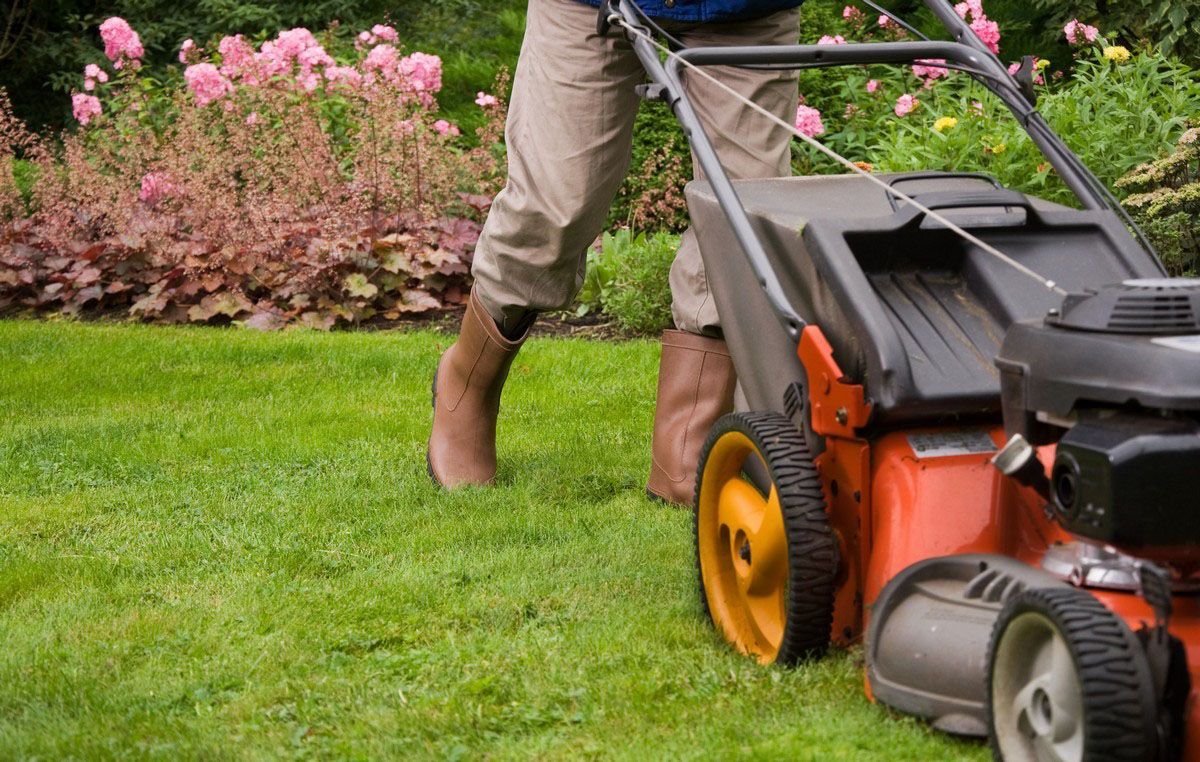
Mowing has an immediate impact on overall turf vitality. Setting mower decks too low—often called "scalping"—removes too much photosynthetic leaf tissue at once, shocking the plant and exposing the soil surface to sunlight, which encourages dormant weed seeds to germinate.
Follow the "one-third rule" during every cut: never remove more than a small fraction of the total grass blade length in a single session. For cool-season varieties like Kentucky bluegrass and tall fescue, keep mowing heights higher. Warm-season grasses like Bermuda and Zoysia thrive when trimmed slightly shorter. Taller grass shades the soil, conserves ground moisture, and encourages deeper, drought-tolerant root growth. Always keep mower blades razor-sharp; dull blades rip and fray grass tips, leaving ragged brown edges that invite fungal pathogens into the plant tissue.
Implement Deep, Infrequent Irrigation Cycles
Shallow, daily watering produces weak, surface-level roots that quickly wither under hot summer sun. To build a robust yard that withstands drought stress, your irrigation routine must encourage roots to push deep down into the subsoil searching for moisture.
Provide your lawn with deep, thorough hydration rather than frequent light sprinkles. Water early in the morning before mid-day heat causes high evaporation rates. Early morning irrigation allows water to soak deep into the soil and ensures the leaf blades dry quickly during the morning, preventing stagnant moisture that fosters destructive lawn diseases like brown patch and dollar spot. Incorporating smart irrigation controllers into your scheduled lawn maintenance helps tailor run times to actual rainfall, preventing water waste.
Aerate Compacted Soil to Restore Root Respiration
Heavy foot traffic, lawn equipment, and natural soil settling gradually compress dirt particles, eliminating the tiny air pockets that grass roots need to breathe. Compacted ground acts as an impenetrable barrier, causing water runoff and starving subterranean systems of oxygen and vital nutrients.
Core aeration is the mechanical process of pulling small plugs of soil and thatch from your yard to relieve compaction. Cool-season grasses benefit most from core aeration in the early fall when root growth peaks, while warm-season grasses should be aerated in late spring or early summer. Opening these vertical channels enables air, water, and fertilizer to reach the root zone directly. Regular aeration also speeds up the decomposition of thick thatch layers, creating an open, permeable subbase where root systems expand quickly and firmly.
Fertilize Strategically Based on Seasonal Growth
Grass requires balanced nutrition to sustain cellular expansion, dense root networks, and rich chlorophyll production. However, over-fertilization can burn roots, cause excessive top growth that requires constant mowing, and wash harmful synthetic runoff into local waterways.
Tailor fertilizer applications to the active growing cycle of your specific grass type. Cool-season lawns thrive with significant nutrient feedings in late summer and autumn, which build root reserves for winter dormancy and prompt spring green-up. Warm-season turfs require steady feeding throughout late spring and mid-summer when temperatures stay consistently high. Prioritize slow-release, organic, or carbon-based fertilizers over fast-release chemical salts. Slow-release formulations nourish the soil ecosystem evenly over several weeks, sustaining uniform top growth while keeping delicate root tips protected.
Overseed Annually to Maintain Turf Density
Over time, older grass plants naturally slow their reproductive rate, and environmental stress causes thin patches across high-traffic zones. A thin lawn leaves exposed dirt patches where invasive broadleaf weeds and crabgrass can easily take root.
Overseeding—sowing fresh grass seed directly into existing turf—replenishes thinning areas and introduces modern, disease-resistant grass cultivars to your yard. The most effective time to overseed is immediately following fall core aeration, as the open core holes create ideal seed-to-soil contact. Spread high-quality, weed-free seed blends evenly across the turf, and keep the top surface of soil continuously moist until seedlings establish stable roots. Consistently introducing fresh seed through proactive lawn maintenance maintains a thick, dense turf barrier that crowds out opportunistic weeds naturally.
Manage Weeds and Pests Using Integrated Methods
Invasive broadleaf weeds like dandelions, clover, and crabgrass, along with subsurface pests like white grubs and armyworms, disrupt turf health when left unaddressed. Rather than blanketing your entire property with heavy synthetic pesticides, practice Integrated Pest Management (IPM).
A dense, vigorously growing lawn serves as your best natural weed defense, naturally shading out competing weed seeds. When problem weeds do emerge, address them with targeted spot-treatments or manual hand-pulling before they flower and spread seeds. For subterranean pests, monitor your lawn for telltale signs of damage, such as spongy turf that lifts easily like loose carpet. Applying beneficial nematodes or targeted biological controls targets damaging insects without harming earthworms and beneficial pollinators. Adopting targeted treatments keeps your property safe for pets and wildlife while keeping destructive infestations under control.
Recycle Grass Clippings Through Mulching
Bagging and disposing of grass clippings removes valuable organic material from your property’s closed-loop nutrient cycle. Leftover grass clippings contain significant amounts of usable nitrogen, potassium, and phosphorus.
Swap out standard mower discharge chutes or collection bags for a dedicated mulching blade and deck plug. Mulching mowers chop clippings into fine, microscopic particles that settle effortlessly down into the turf canopy without forming unsightly clumps. These tiny clippings decompose rapidly, returning moisture and necessary seasonal nutrients to the root zone. Practicing natural grasscycling reduces supplemental fertilizer expenses, eliminates plastic yard-waste bags, and protects soil beds from drying out during intense summer heatwaves.
Achieving a vibrant, healthy yard is the direct outcome of steady, informed turf stewardship. By establishing balanced soil chemistry, adhering to optimal mowing heights, practicing deep irrigation, and relieving compaction through annual aeration, you build an exceptionally resilient outdoor landscape. Pairing these proven cultural techniques with sustainable overseeding and organic nutrient management creates a dense green space that naturally repels pests and withstands seasonal weather swings. Prioritizing structured, eco-friendly lawn maintenance safeguards your property's value, enriches the surrounding ecosystem, and ensures your outdoor living areas remain inviting all season long. Contact Going Green Lawn Services today to schedule your custom lawn assessment and let our experienced team help you grow the vibrant, eco-friendly yard you have always wanted!